

Introduction to Poker Bankroll Management
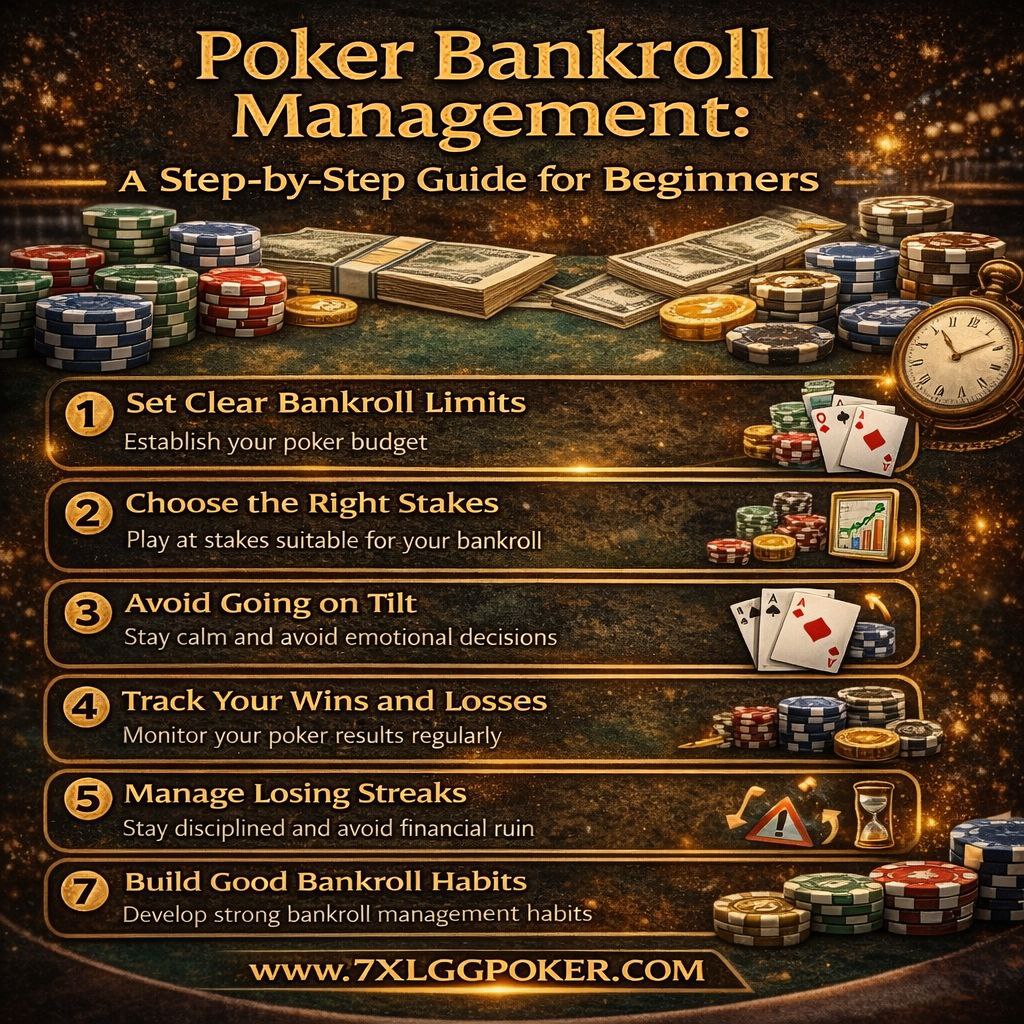
Poker bankroll management is one of the most important aspects of becoming a successful poker player. Regardless of your experience level, if you don’t manage your bankroll effectively, even the best poker players can go broke. Proper bankroll management ensures that you can continue playing poker for the long term without risking everything during losing streaks. This article will guide you through the basics of bankroll management and why it is crucial for both beginners and seasoned players.
The key to effective bankroll management is to play within your limits and not risk more than you can afford to lose. Poker is a game of skill, but luck also plays a significant role. This means that even the most skilled players will experience losing streaks. Therefore, managing your bankroll properly can help you stay in the game, recover from losses, and avoid going broke.
One of the biggest mistakes poker players make is overextending their bankroll by playing at stakes that are too high for their current level. While it might be tempting to play higher stakes for the potential of bigger rewards, it increases the risk of losing a significant portion of your bankroll. If you lose, you may not have enough funds left to continue playing. This is why it’s essential to set strict limits and avoid reckless betting.
Another important element of bankroll management is setting a budget for your poker play. This budget should be completely separate from your personal finances and should only include money that you can afford to lose. Setting aside a specific amount of money for poker will allow you to enjoy the game without the worry of jeopardizing your financial situation. Over time, you can increase your budget as your skills and bankroll grow.
It’s also vital to track your results consistently. Tracking your wins and losses is an essential part of bankroll management, as it helps you determine whether you’re playing at the right stakes for your current bankroll. Many online poker platforms offer tools for tracking your sessions, which can be an invaluable resource for making adjustments to your strategy and ensuring your bankroll stays healthy.
Effective poker bankroll management requires discipline and patience. It’s easy to get caught up in the excitement of the game, but sticking to your bankroll limits and making smart decisions is key to long-term success. As you become more experienced, you’ll develop a better sense of your own risk tolerance and learn how to adjust your play accordingly.
In the following sections, we’ll dive deeper into the details of managing your poker bankroll. From setting a budget to choosing the right stakes, we’ll provide you with the essential tools and strategies you need to protect your bankroll and maximize your chances of success in poker.
Understanding the Basics of Poker Bankroll Management
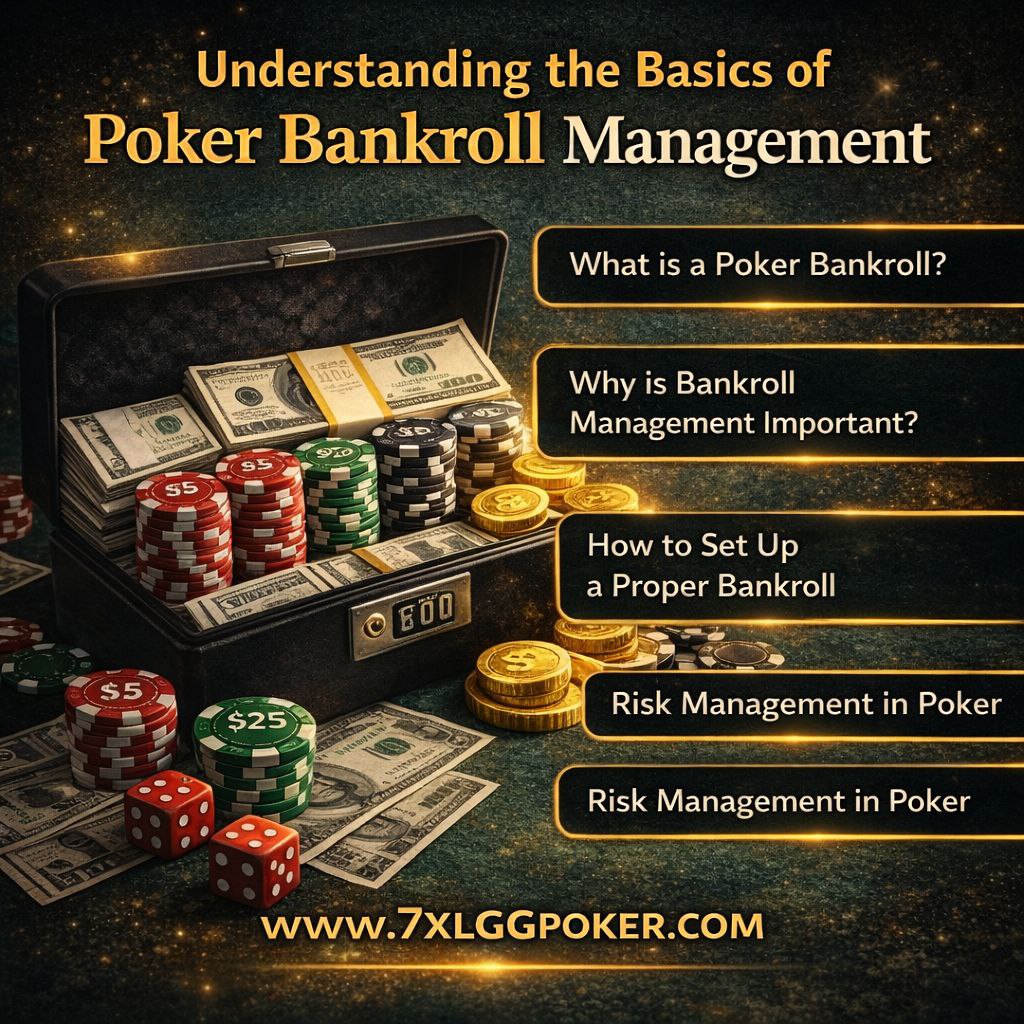
Poker bankroll management is the cornerstone of any serious poker player’s strategy. Without it, even the best players can face financial ruin after a series of bad beats. In this section, we’ll break down the essential elements of managing your poker bankroll and how understanding these basics can significantly impact your long-term success in the game.
What is a Poker Bankroll?
Your poker bankroll is the amount of money you’ve set aside exclusively for playing poker. It is crucial that you keep this money separate from your personal finances. The money you dedicate to your bankroll should be money you are willing to lose, as poker is a game of variance, meaning there will be ups and downs in the short term. The goal of bankroll management is to avoid the risk of going broke during losing streaks and to ensure that you can continue playing over the long term.
Why is Bankroll Management Important?
Managing your bankroll is vital because it ensures that you can handle the inevitable swings in poker without losing all your money. For example, in a cash game or tournament, you may go through periods of bad luck where you lose more than you win. If you don’t manage your bankroll well, these losses can quickly deplete your funds, leaving you unable to continue playing.
Good bankroll management allows you to weather these losing streaks by ensuring you always have enough funds to play. It also helps you play at the right stakes, avoiding going too high in limits that can expose you to greater risks than your bankroll can handle.
How to Set Up a Proper Bankroll
The first step to managing your bankroll effectively is determining how much money you are willing to dedicate to poker. It’s crucial that this amount is not tied to your personal finances, such as money meant for bills or savings. Start by setting a budget and stick to it.
For example, if you’re a beginner, it’s advisable to start with a small bankroll to reduce risk. As you gain more experience and confidence, you can gradually increase your bankroll. Typically, it’s recommended to have enough funds for at least 20 to 30 buy-ins for the game you’re playing. For instance, if you’re playing $1/$2 no-limit hold’em, having a bankroll of around $2,000 to $3,000 is considered safe.
Risk Management: Understanding the Risks
Risk management is about understanding the odds of your losses and knowing when to walk away. In poker, players will encounter losing streaks and variance. Having a bankroll that’s large enough to absorb these swings will give you the resilience to stay in the game.
One of the biggest risks in poker is playing at stakes that are too high for your bankroll. Always choose stakes that are in line with your bankroll to minimize the chance of going broke. If you’re consistently losing, it’s important to lower your stakes or take a break from the game entirely.
How to Adjust Your Bankroll Strategy Over Time
As your skills improve and your bankroll grows, you’ll need to adjust your strategy. This may involve increasing your stakes or taking on more challenging opponents. However, it’s important to always ensure that you stay within the limits of your bankroll to minimize risk.
In summary, understanding and implementing the basics of bankroll management is key to becoming a successful poker player. It involves discipline, patience, and the ability to adjust your strategy as needed. With proper management, you can play more confidently and have a better chance at long-term success in the game.

How to Set a Budget for Your Poker Bankroll
Setting a budget for your poker bankroll is one of the first and most important steps to ensure long-term success at the poker table. Without a proper budget, it’s easy to get caught up in the excitement of the game and risk more money than you can afford to lose. In this section, we’ll walk you through how to create a poker bankroll budget and stick to it for financial security.
What is a Poker Bankroll Budget?
A poker bankroll budget is the amount of money you allocate specifically for playing poker. This budget should be separate from your personal savings or money meant for daily living expenses. It’s important to only use money that you are comfortable losing because poker involves inherent risks. By setting a clear budget, you can avoid spending more than you can afford and manage your bankroll effectively.
Why Is a Budget Important?
The primary purpose of setting a budget is to protect yourself from financial ruin. If you don’t set a limit on how much you can spend, you might end up playing beyond your means. For example, if you are on a losing streak and start raising your stakes to try and win back the losses, you could quickly deplete your bankroll. Having a fixed budget ensures that you stay within your limits, even during bad sessions.
Additionally, having a budget allows you to enjoy the game without the constant stress of worrying about running out of money. It enables you to play more strategically and avoid making rash decisions based on emotions like frustration or desperation.
How to Set Your Poker Bankroll Budget
To set a proper budget for your poker bankroll, start by determining how much money you can comfortably allocate to poker without jeopardizing your other financial obligations. This amount should be separate from your regular expenses such as rent, bills, and savings. Here’s a simple process to follow:
- Step 1: Decide the total amount – Choose an amount that you are willing to invest in your poker bankroll. This amount should be money you can afford to lose without affecting your financial stability.
- Step 2: Set a percentage for each session – Based on your total bankroll, determine how much you’ll risk in each session. For instance, a good rule of thumb is to never risk more than 1-2% of your total bankroll in one session. This will help you stretch your bankroll over a longer period and minimize the risk of going broke.
- Step 3: Review your bankroll regularly – Track your wins and losses regularly. If you notice that your bankroll is getting too low, take a break from higher-stakes games and adjust your limits accordingly.
Adjusting Your Budget Over Time
As you gain more experience and your bankroll grows, you may choose to increase the amount you allocate to your bankroll. However, always make sure that your budget is proportional to your experience and skill level. If your bankroll decreases, adjust your budget and lower your stakes to prevent further losses.
Stay Disciplined with Your Budget
One of the most difficult aspects of poker bankroll management is sticking to your budget. It’s easy to get caught up in the excitement of winning or the frustration of losing, but it’s essential to follow the rules you set for yourself. Never risk more than your budget allows, and always be mindful of your financial limits.
In summary, setting a budget for your poker bankroll is essential for long-term success in the game. By setting clear limits and following a disciplined approach, you’ll protect yourself from financial risk and ensure that you can continue playing and improving your poker skills over time.

Determining Your Stakes and Game Limits in Poker
One of the most crucial aspects of bankroll management is determining the right stakes and game limits to play within. Even if you have a solid bankroll, playing at stakes that are too high for your current level of experience or bankroll can lead to financial losses. This section will walk you through how to determine the right stakes and game limits to ensure that you stay within your bankroll’s limits while still enjoying the game.
What Are Stakes in Poker?
In poker, stakes refer to the size of the blinds or the buy-in for a game. The stakes you choose determine the amount of money you need to play a particular table or tournament. For example, in a $1/$2 no-limit hold’em cash game, the small blind is $1 and the big blind is $2. In tournament play, stakes are often referred to by the buy-in, such as a $50 tournament buy-in.
Choosing the right stakes is important because it ensures that your bankroll is sufficient to handle the variance in the game. Playing at stakes that are too high for your bankroll can quickly deplete your funds, while playing at stakes that are too low might not offer enough competition to improve your skills.
How to Choose the Right Stakes for Your Bankroll
The general rule of thumb for bankroll management is to never risk more than 1-2% of your total bankroll in a single session. For example, if your bankroll is $1,000, you should aim to play at stakes where the buy-in is no more than $10-$20 per session.
For cash games, you can usually handle a larger buy-in for a single session than in tournaments because the risk of going broke in cash games is lower. In tournaments, the risk is more significant due to the format, so you should stick to lower buy-ins until you have a sufficient bankroll to handle higher stakes.
Game Limits in Poker
Game limits refer to the rules of betting during a hand. For example, in a no-limit game, you can bet any amount of chips at any time, while in a limit game, the amount you can bet is fixed. It’s essential to understand the differences in betting structures and choose a game that suits your bankroll and comfort level.
In no-limit games, you can easily get caught up in big pots and potentially lose your entire stack if you’re not careful. In limit games, while the betting is restricted, the risks are lower, and it’s easier to control the size of the pot.
Adjusting Stakes Based on Your Bankroll
As your bankroll grows, you’ll be able to handle higher stakes. However, it’s important to adjust your stakes gradually and not jump into higher-stakes games too quickly. Start with low stakes and, as your experience and bankroll grow, increase the stakes accordingly.
Always remember to play within your limits. If you’re losing and your bankroll is decreasing, lower the stakes or take a break. This will help you avoid making rash decisions and ensure that you can continue playing without risking your entire bankroll.
Playing at the Right Stakes for Long-Term Success
The key to success in poker is playing at stakes that allow you to manage your bankroll effectively while improving your skills. By choosing the right stakes and game limits, you’ll be able to handle the ups and downs of poker while minimizing the risks. Always play within your bankroll’s limits and adjust your stakes as needed to ensure long-term success in the game.

Managing Losing Streaks and Avoiding Bankruptcies in Poker
Losing streaks are an inevitable part of poker. No matter how skilled you are, there will be times when the cards simply don’t go your way. However, how you manage these losing streaks is what will determine whether you stay in the game or go broke. In this section, we’ll discuss effective strategies for managing losing streaks and ensuring that you avoid bankruptcy in poker.
Understanding Losing Streaks in Poker
A losing streak in poker is a period of time when you experience more losses than wins, often due to bad beats, unlucky hands, or mistakes. While losing streaks are a normal part of poker, they can be mentally and emotionally draining. If you don’t have a proper plan in place, you might make rash decisions, increase your stakes, or chase your losses, leading to even bigger financial setbacks.
The Importance of Staying Calm and Patient
One of the most important aspects of managing a losing streak is maintaining a calm and composed mindset. When you experience a losing streak, it’s easy to get frustrated and start making impulsive decisions. However, this is when good bankroll management becomes essential. Stick to your pre-established limits, and avoid chasing your losses by raising your stakes to higher levels.
Take Breaks During Losing Streaks
Taking breaks is crucial during losing streaks. If you find yourself losing hand after hand, it’s best to step away from the table and reset. Continuing to play while frustrated or emotional can lead to more mistakes and poor decisions. Use the break to clear your head, reassess your strategy, and return to the game with a fresh perspective.
Don’t Raise Your Stakes to Recover Losses
It’s common for players to raise their stakes when they’re losing in an attempt to recover their losses. However, this is a dangerous approach. Increasing the stakes when you’re already on a losing streak increases your exposure to risk, and the possibility of losing more money is greater. Instead of raising your stakes, stick to your bankroll limits and continue playing conservatively until the losses subside.
Adjust Your Strategy During Losing Streaks
When you’re experiencing a losing streak, it’s important to adjust your strategy to minimize losses. Consider playing tighter and avoiding unnecessary risks. This means folding more hands and not playing as aggressively, which can help you preserve your bankroll. A tighter approach allows you to wait for better opportunities and avoid making reckless moves that could further drain your funds.
How to Avoid Bankruptcies in Poker
The key to avoiding bankruptcy in poker is sticking to your bankroll management plan and knowing when to stop. If you’re losing consistently, it’s better to take a break, assess your losses, and consider lowering the stakes. Don’t be afraid to take a step back if you’re on the brink of going broke. The most successful poker players are those who know when to walk away and live to play another day.
Another way to avoid bankruptcy is to keep your personal finances separate from your poker bankroll. Never use money you can’t afford to lose. Your poker bankroll should always be seen as a separate entity from your daily living expenses. This way, even if you experience a losing streak, your financial stability won’t be threatened.
In Summary
Managing losing streaks and avoiding bankruptcy in poker requires discipline, patience, and effective bankroll management. By staying calm, adjusting your strategy, and sticking to your limits, you can ride out the bad times and come back stronger. Remember, losing is part of the game, but managing it effectively is what separates the successful players from the ones who go broke.

Building Good Poker Bankroll Habits for Long-Term Success
Developing strong and consistent bankroll management habits is key to achieving long-term success in poker. By creating good habits from the start, you’ll be better prepared to handle the ups and downs of the game while avoiding financial pitfalls. In this section, we’ll discuss the essential habits that will help you manage your poker bankroll effectively and ensure that you’re playing for the long haul.
Habit 1: Setting Clear Limits
The first step to building good bankroll habits is to set clear limits for your poker sessions. Before you sit down to play, decide how much you’re willing to risk in that session. This amount should be in line with your total bankroll and should not exceed a small percentage of your overall poker funds. For instance, if your bankroll is $1,000, you should limit your session buy-ins to 1-2% of your bankroll (around $10-$20 per session).
Habit 2: Consistently Tracking Results
Another essential habit for successful bankroll management is consistently tracking your results. By recording your wins and losses, you can better understand your performance and identify areas where you need improvement. Tracking your poker sessions allows you to see if your bankroll is growing or shrinking and helps you adjust your strategy accordingly. Many online poker platforms offer built-in tracking tools to make this process easier.
Habit 3: Avoiding Emotional Decisions
Emotions can be one of the biggest obstacles to good bankroll management. When you’re losing, it’s easy to get frustrated and make impulsive decisions to try and win back your losses. On the other hand, after a big win, you might be tempted to increase your stakes in an attempt to capitalize on your good fortune. However, these emotional decisions can quickly lead to significant financial losses. A key habit in managing your bankroll is to stay calm and stick to your pre-established limits, regardless of the outcome of individual sessions.
Habit 4: Regularly Assessing and Adjusting Your Bankroll
As your bankroll grows or shrinks, it’s essential to regularly assess your financial situation and adjust your bankroll strategy accordingly. If your bankroll increases, you may decide to move up in stakes, but only if your skills and experience support this change. On the other hand, if you’re experiencing a losing streak and your bankroll decreases, you may want to lower your stakes or take a break from higher-stakes games. Regularly reassessing your bankroll helps you stay within your limits and avoid taking unnecessary risks.
Habit 5: Avoiding High-Risk Games
It’s essential to avoid high-risk games that exceed your bankroll’s capacity. Playing in games with higher stakes than your bankroll can comfortably handle is one of the fastest ways to go broke. By choosing games that are appropriate for your bankroll, you minimize the risk of losing large amounts of money. Always ensure that your stakes are in line with your bankroll and avoid the temptation to jump into games that could put your finances at risk.
Habit 6: Taking Breaks and Managing Tilt
One of the most important habits for long-term success is knowing when to take breaks. If you’re on a losing streak or starting to feel frustrated, take a break and reset your mindset. It’s essential to avoid “tilt,” which is a state of emotional frustration that can lead to poor decision-making and reckless betting. Taking regular breaks allows you to keep a clear head and approach the game with a fresh perspective.
In Summary
Building good bankroll management habits is essential for long-term success in poker. By setting clear limits, tracking results, avoiding emotional decisions, and regularly reassessing your bankroll, you’ll be better equipped to handle the ups and downs of the game. The best poker players are those who manage their bankrolls wisely, stay disciplined, and consistently make good decisions. With time and practice, you’ll develop the habits needed to achieve long-term success at the poker table.
1. Why is poker bankroll management important for players?
Answer: Poker bankroll management is essential for players because it helps prevent financial ruin and ensures that players can continue playing even during downswings. Proper bankroll management allows players to ride out losing streaks and avoid going broke.
2. How can I set a budget for my poker bankroll?
Answer: Setting a budget means allocating a specific amount of money solely for poker. This money should be kept separate from your personal savings or everyday expenses. It’s crucial to only use money you can afford to lose, as poker is a game of variance.
3. How much of my bankroll should I risk for each game?
Answer: For cash games, it’s recommended to risk no more than 1-2% of your total bankroll in each session. For example, if your bankroll is $1,000, you should limit your buy-ins to around $10-$20 per session. This ensures that you can handle the inevitable swings without depleting your bankroll.
4. How do I manage losing streaks in poker?
Answer: During a losing streak, it’s crucial to stay calm and avoid making emotional decisions. Don’t raise your stakes to try to recover losses, as this increases your risk. Take breaks and stick to your bankroll limits. Adjust your strategy by playing tighter and waiting for better opportunities.
5. How can I avoid bankruptcy in poker?
Answer: To avoid bankruptcy in poker, always stick to your bankroll management plan. Never risk more than you can afford to lose, and avoid playing at stakes higher than your bankroll allows. Take regular breaks and reassess your bankroll regularly to ensure you stay within your financial limits.
6. Why is selecting the right stakes in poker important?
Answer: Choosing the right stakes ensures that you don’t risk too much of your bankroll in a single game. Playing at stakes higher than your bankroll can handle increases the risk of going broke. Always play at stakes that match your skill level and bankroll to minimize risk.
7. How can I achieve long-term success in poker with proper bankroll management?
Answer: Long-term success in poker is achieved by consistently applying bankroll management principles. Set clear limits, track your results, avoid emotional decisions, and regularly assess your bankroll. Successful poker players make wise decisions and follow a disciplined approach to bankroll management.
8. Can I play poker with a small budget?
Answer: Yes, you can play poker with a small bankroll, but you need to choose lower-stakes games and avoid risking too much of your funds. Starting with small stakes allows you to learn the game and manage your bankroll without putting your finances at risk.
9. When should I increase my stakes in poker?
Answer: You can increase your stakes when your bankroll has grown sufficiently, and your skills are strong enough to handle higher risks. However, always ensure that your stakes align with your bankroll to minimize the risk of going broke.
10. How can I track my bankroll in poker?
Answer: You can track your poker bankroll by recording your wins and losses, either manually or with software tools. Keeping track of your bankroll helps you understand your performance and adjust your strategy accordingly. Regularly reviewing your bankroll will help you make better decisions and avoid financial setbacks.